“Sweet wine” is one of the least precise phrases in drinking. It gets applied to a bottle with a trace of sugar and to a dessert wine you could pour over ice cream, which is not useful to anyone trying to decide what to buy.
There is an actual measurement behind it, and once you understand it you can predict whether you will like a bottle before you open it.
What residual sugar actually is
Grapes are full of natural sugar. Winemaking turns that sugar into alcohol, and the thing doing the work is yeast.
Let the yeast finish the job and nearly all the sugar converts. What you get is a dry wine. Stop the process before the yeast is done and some of that original grape sugar stays in the bottle. That leftover sugar is residual sugar, usually shortened to RS.
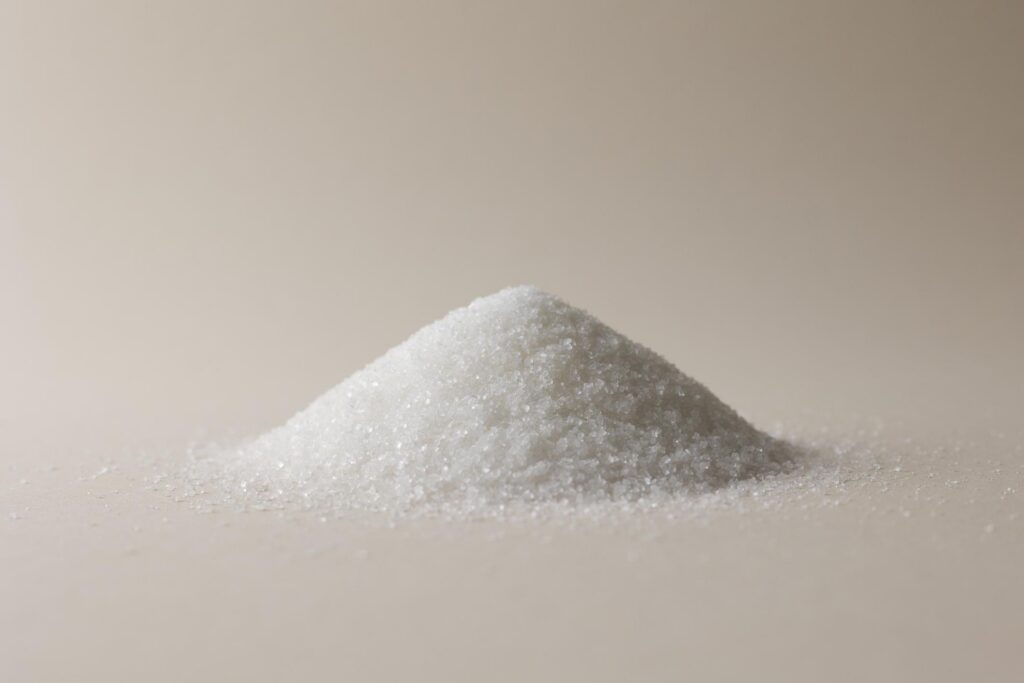
The important part is what it is not. Residual sugar is not sugar added to the wine. It is the grape’s own sugar, left behind on purpose. Sweetness in a well-made wine is a decision made during fermentation rather than something stirred in afterward.
The trade-off that explains low-alcohol wine
Here is the piece that ties everything together, and it is the reason our wines taste the way they do.
Sugar and alcohol come from the same place. Every gram of sugar the yeast converts becomes alcohol. So if you stop fermentation early to keep sweetness, you are also stopping it before all that sugar becomes alcohol.
More sweetness, less alcohol. They move together.
That is why Stella Rosa wines are typically around five to five and a half percent alcohol while a dry red runs thirteen or fourteen. It is not a watered-down wine. It is a wine where the sugar stayed sugar instead of becoming alcohol. You get fruit and sweetness, and you get a glass you can have on a weeknight.
How residual sugar is measured
Two notations, and they are easy to convert.
Residual sugar is usually given in grams per liter, written g/L. It is sometimes given as a percentage instead. The conversion is simple: 10 g/L equals 1 percent.
Wines span an enormous range, from essentially zero to well over 200 g/L at the dessert end. The rough scale most of the wine world works from looks like this:
Bone dry: under 1 g/L
Dry: roughly 1 to 10 g/L
Off-dry or semi-sweet: roughly 10 to 35 g/L
Sweet: roughly 35 to 120 g/L
Very sweet: 120 g/L and up
Those boundaries are conventions rather than laws, and they vary by region. European regulation generally caps dry wine at 9 g/L when acidity is moderate, and lower when it is not.
Sweetness is not the same as perceived sweetness
This is the part that surprises people, and it explains why two wines with identical sugar levels can taste completely different.
Acidity is the big one. Acid cuts sweetness on the palate. A high-acid wine with 20 g/L can taste noticeably drier than a low-acid wine with 15. This is why a crisp Riesling with real sugar in it can read as refreshing rather than sweet.
Tannin pushes the other way. The grippy, drying sensation in a red wine makes it seem less sweet than the number suggests.
Fruit can fool you entirely. A big, ripe, fourteen-percent red with almost no residual sugar often reads as sweet, because ripe fruit flavor and high alcohol both suggest sweetness to the brain. Plenty of people who say they dislike sweet wine happily drink exactly that.
Temperature changes everything. Cold mutes sweetness perception. The same bottle tastes sweeter at room temperature than it does properly chilled, which is one reason sweet and semi-sweet wines are served cold.
Bubbles complicate it further. Carbonation lifts acidity and changes how sugar lands on the palate.
So the number tells you the chemistry. Your mouth tells you the experience, and they do not always agree.
The sparkling wine trap
Worth knowing because it catches almost everyone.
Sparkling wine uses an entirely different vocabulary, and one piece of it is genuinely backwards. “Extra Dry” sparkling wine is sweeter than “Brut.” Not a typo.
The scale, driest to sweetest, runs roughly: Brut Nature, Extra Brut, Brut, Extra Dry, Sec, Demi-Sec, Doux. So if you want a dry sparkling wine, Brut is your word. If someone hands you something labeled Extra Dry expecting bone dry, they have been caught by the same thing everyone gets caught by.
Where semi-sweet sits, and why it is the useful middle
Semi-sweet is the category most people actually want and the one least well understood.
It is sweet enough to taste like fruit rather than like a chore, and not so sweet that a second glass feels like too much. It pairs with food that dry wine struggles with: spicy dishes, salty cheeses, anything with real sugar in it. And it is the easiest entry point for anyone who has decided they do not like wine, because what most of those people actually dislike is tannin and dryness.
Stella Rosa built its reputation in this space: semi-sweet, semi-sparkling, fruit-forward, and low in alcohol. Within our own range we rate most of what we ship between 5 and 8 on a 1 to 10 sweetness scale, which is squarely in the middle-to-sweet band rather than at the dessert end.
Within that, there is real variation. A Prosecco from the range is noticeably less sweet than a fruit-forward red, so “semi-sweet” is a neighborhood rather than a single address.
How to use this when you are actually buying
Four practical habits.
Read the sweetness indicator, not the adjective. Marketing language is vague. A sweetness scale or an RS figure is not.
Work out your own range. If you find a wine you love, look up where it sits. That number becomes your reference point for everything else.
Remember acidity. If a wine seemed too sweet, you may want more acid rather than less sugar. Those are different fixes.
Serve it cold. Chilling a sweet or semi-sweet wine properly makes it taste more balanced and less sugary. It is the cheapest improvement available.
You can browse by style and find where your preference lands in Shop Wines, and the Stella Rosa collection covers the semi-sweet range in depth.
Frequently asked questions
What is residual sugar in wine?
It is the natural grape sugar left in the wine after fermentation stops. Yeast converts grape sugar into alcohol, so halting fermentation early leaves some of that sugar behind. It is not sugar added to the wine, and it is measured in grams per liter or as a percentage, where 10 g/L equals 1 percent.
What is the difference between semi-sweet and sweet wine?
Mostly how much residual sugar is present. Semi-sweet, sometimes called off-dry, generally falls around 10 to 35 g/L, while wines labeled sweet usually run higher. Semi-sweet tastes fruit-forward and balanced rather than dessert-like, which is why it suits food so well.
Why is sweet wine lower in alcohol?
Because sugar and alcohol trade off. Every gram of sugar the yeast converts becomes alcohol, so stopping fermentation early to preserve sweetness also means less alcohol. That is why many semi-sweet wines sit around five percent while dry wines run thirteen or more.
Does dry wine have no sugar at all?
Almost never zero. Most dry wines contain a few grams per liter, and European rules generally allow up to 9 g/L for a wine to be called dry when acidity is moderate. Bone dry, under 1 g/L, is a narrower category than most people assume.
Why does “Extra Dry” sparkling wine taste sweet?
Because the sparkling wine scale is counterintuitive. Extra Dry is sweeter than Brut. From driest to sweetest the order runs Brut Nature, Extra Brut, Brut, Extra Dry, Sec, Demi-Sec, Doux. If you want genuinely dry bubbles, look for Brut.
Find your number
Once you know roughly where your preference sits, wine shopping stops being guesswork. You are no longer choosing between vague words on a label. You are looking for a range you already know you like.
Browse Shop Wines to explore the range, or join the Sweet Wine Club and let a curated seasonal box help you find it. Please enjoy responsibly; you must be 21 or older to purchase or consume alcoholic beverages.