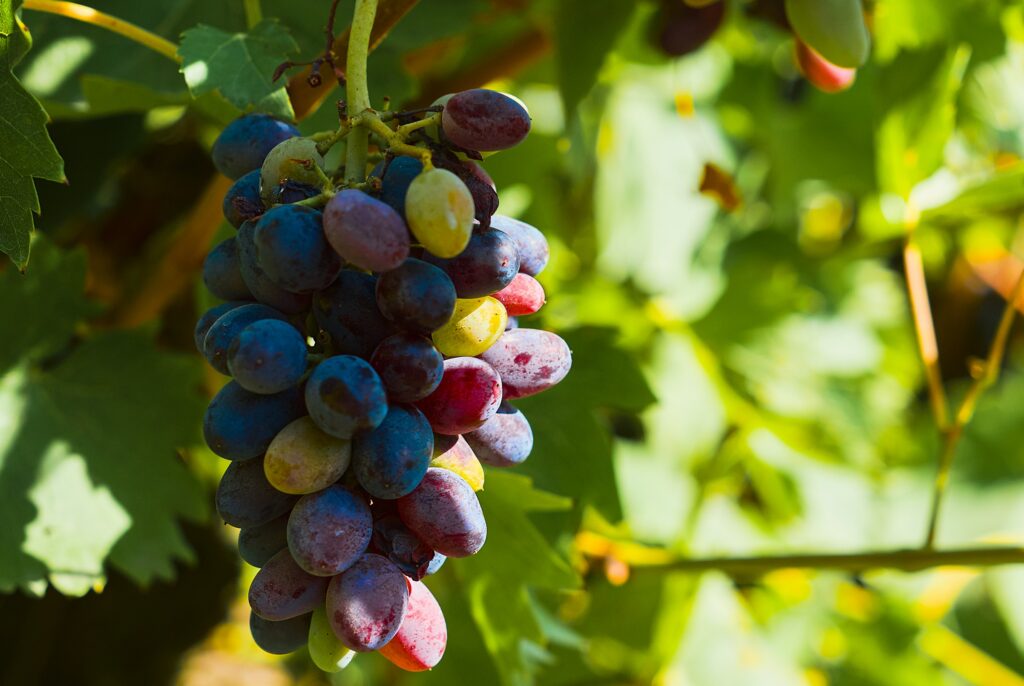
Sweet wine has earned a reputation as the indulgent choice, often associated with desserts and celebrations. But when it comes to health, many wine lovers wonder whether their favorite sweet sips come with hidden benefits or drawbacks. The answer is more nuanced than you might think, and understanding the relationship between sweet wine and health can help you make informed choices that align with your wellness goals.
In recent years, non-alcoholic sweet wines and low-alcohol varieties have emerged as popular alternatives for those seeking to enjoy wine’s flavors without the full effects of alcohol. Whether you’re exploring these options for health reasons or simply curious about what makes certain wines a better fit for your lifestyle, this guide will break down everything you need to know about sweet wine and health.
Understanding Sweet Wine and Sugar Content
The primary factor that sets sweet wines apart from their dry counterparts is residual sugar. During fermentation, yeast converts grape sugars into alcohol. In sweet wines, some of that sugar remains unconverted, creating the characteristic sweetness that fans adore. The amount of residual sugar can vary dramatically, from slightly sweet varieties with just a few grams per liter to dessert wines with more than 100 grams per liter.
When considering health implications, sugar content matters. A standard 5-ounce glass of sweet wine typically contains between 5 and 20 grams of sugar, depending on the sweetness level. For context, that is roughly equivalent to one to four teaspoons of sugar. While this may seem significant, it is often comparable to, or even lower than, what you would find in many cocktails, sodas, or even some fruit juices.
Sweet Wine Club offers carefully curated selections that balance sweetness with quality, ensuring you enjoy wines that deliver flavor without excessive sugar. Understanding how sweet versus dry wines differ helps you make choices that fit your dietary preferences and health goals.
The Health Benefits of Moderate Wine Consumption
Research has long suggested that moderate wine consumption may offer certain health benefits, primarily due to compounds called polyphenols found in grape skins and seeds. These antioxidants, including resveratrol, have been linked to cardiovascular health, reduced inflammation, and even longevity in some studies. While much of this research has focused on red wines, sweet wines made from red grapes can contain similar beneficial compounds.
The keyword here is moderation. Health experts generally define moderate consumption as one glass per day for women and up to two glasses per day for men. Within these guidelines, sweet wine can be part of a balanced lifestyle. The presence of antioxidants in sweet red wines like Stella Rosa Black means you are not just enjoying a delicious beverage but also potentially supporting your overall wellness.
It is worth noting that the alcohol content itself can have both positive and negative effects on health. While moderate alcohol consumption has been associated with certain cardiovascular benefits, excessive drinking carries serious health risks. This is where low alcohol and non-alcoholic wine options become particularly relevant for health-conscious consumers.
Low-Alcohol Wines: A Healthier Middle Ground
Low alcohol wines have gained tremendous popularity as people seek to reduce their alcohol intake without sacrificing the ritual and enjoyment of wine drinking. These wines typically contain between 0.5 and 8 percent alcohol by volume, compared to the standard twelve to fifteen percent found in most traditional wines. The lower alcohol content means fewer calories and reduced effects on the body while maintaining much of the flavor profile that makes wine enjoyable.
For sweet wine enthusiasts, low-alcohol options offer a way to indulge in those beloved fruity, smooth flavors while being more mindful of health and wellness. Many winemakers have mastered techniques to create low-alcohol wines that do not compromise on taste, using methods such as early harvesting, reverse osmosis, or vacuum distillation to reduce alcohol levels while preserving the wine’s essential character.
The calorie advantage of low alcohol wines is significant. Since alcohol contains seven calories per gram, second only to fat, reducing alcohol content can substantially lower the overall caloric content of your glass. This makes low alcohol sweet wines an appealing choice for those watching their calorie intake or simply seeking a lighter option for casual sipping throughout the day or with meals.
Non-Alcoholic Sweet Wines: All Flavor, No Alcohol
The rise of non-alcoholic wines represents one of the most exciting developments in the wine industry. Advanced dealcoholization techniques now allow winemakers to remove alcohol while retaining the complex flavors, aromas, and mouthfeel that make wine special. For those who are pregnant individuals, designated drivers, or anyone choosing to avoid alcohol, these options open up a world of possibilities.
Stella Rosa Naturals Non-Alcoholic wines contain only 0.3 percent alcohol by volume, making them essentially alcohol free while delivering the fresh, fruity flavors that fans expect.
Similarly, Spritz Del Conte Non-Alcoholic offers a sophisticated aperitivo experience without any of the effects of alcohol. The health benefits of choosing non-alcoholic sweet wines are substantial. You eliminate the risks associated with alcohol consumption, including impaired judgment, dehydration, and the long-term health effects of regular drinking. You also significantly reduce calorie intake, as most non-alcoholic wines contain fifty to seventy percent fewer calories than their alcoholic counterparts. Perhaps most importantly, you can enjoy wine at any time of day without concern about alcohol’s effects on your body, sleep quality, or next-day performance.
Making Healthier Sweet Wine Choices
If you love sweet wine and want to make choices that support your health goals, several strategies can help you enjoy your favorite wines more mindfully. First, consider portion control. Using smaller glasses or measuring your pour ensures you stay within moderate consumption guidelines. A standard pour is five ounces, which is less than many people realize when they eyeball their glass.
Second, explore Sweet Wine Club’s diverse collection to find wines that match your health priorities. Whether you are looking for lower-sugar options, reduced-alcohol varieties, or completely non-alcoholic alternatives, the selection offers something for every preference. Taking the personality wine quiz can help you discover new favorites that align with your taste and wellness goals.
Third, pay attention to when and how you drink. Consuming sweet wine with food, particularly meals containing protein and healthy fats, can slow the absorption of both sugar and alcohol, minimizing blood sugar spikes and the effects of alcohol. Pairing your wine with carefully selected recipes enhances both the dining experience and your body’s ability to process the wine more gradually.
Finally, stay hydrated. Alternating glasses of wine with water helps counteract alcohol’s dehydrating effects and can naturally moderate your consumption. This simple practice makes a significant difference in how you feel during and after enjoying wine.
Frequently Asked Questions
How much sugar is in sweet wine compared to dry wine?
Sweet wines typically contain 5 to 20 grams of sugar per 5-ounce glass, while dry wines contain less than two grams. The exact amount varies by wine style and production method, with dessert wines containing the most sugar and semi-sweet varieties falling in the middle range.
Are non-alcoholic sweet wines actually healthy?
Non-alcoholic sweet wines eliminate the health risks associated with alcohol while reducing calories. However, they still contain sugar and should be consumed in moderation as part of a balanced diet. They offer an excellent option for those avoiding alcohol for health, personal, or medical reasons.
Do sweet wines have the same antioxidants as dry wines?
Yes, sweet wines made from red grapes contain similar antioxidants, such as resveratrol and polyphenols, as dry red wines. The fermentation process and grape varieties used determine antioxidant content more than the wine’s sweetness, so sweet red wines can offer comparable health benefits when consumed in moderation.